
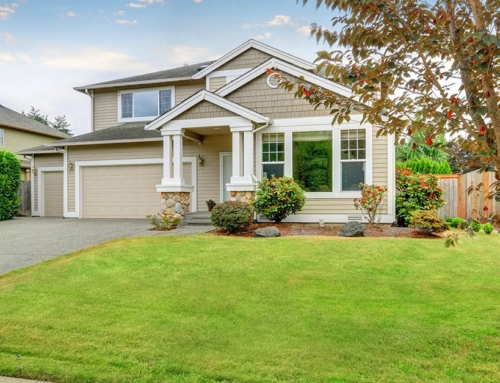
If you live in an older Boulder home, water damage is likely one of your biggest concerns, even if it hasn’t happened yet. Aging plumbing, outdated materials, and shifting foundations make many homes vulnerable to leaks and flooding.
What starts as a small issue can quickly turn into extensive damage if it isn’t addressed promptly. Understanding the most common water damage risks helps you act early and protect your home.
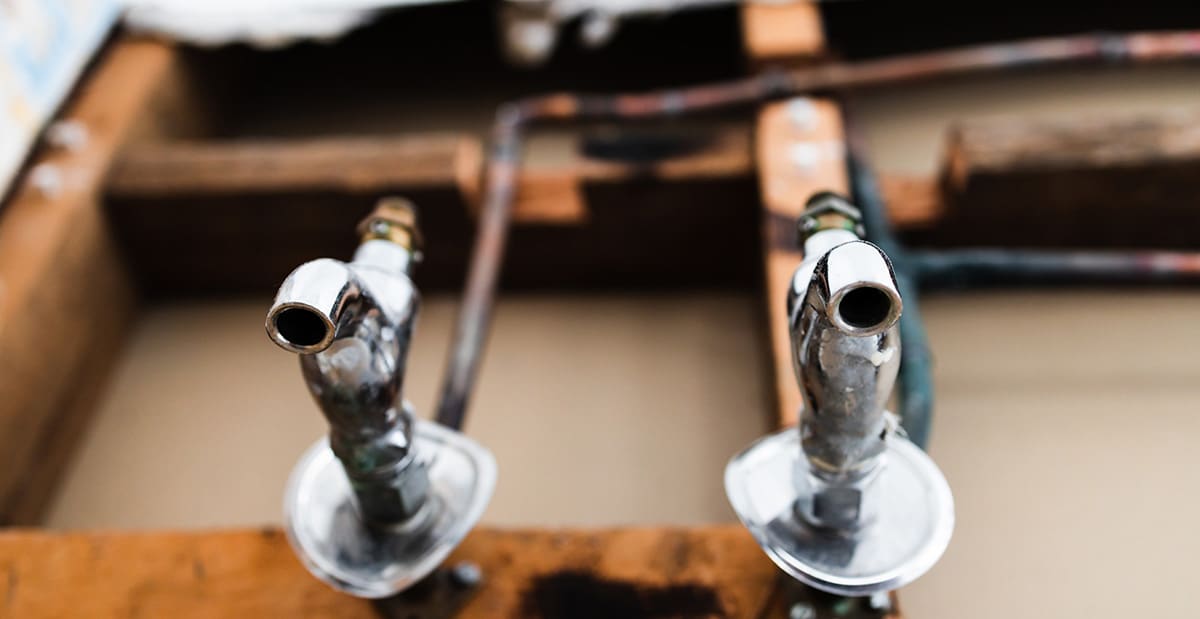
Aging plumbing systems often lead to hidden leaks and sudden failures
Many older homes in Boulder were built with plumbing materials that degrade over time. Corrosion, mineral buildup, and general wear can cause pipes to weaken without obvious warning signs.
Common plumbing-related water damage issues include:
- Slow leaks inside walls: These can go unnoticed until mold or staining appears
- Corroded supply lines: Older metal pipes are prone to rust and pinhole leaks
- Loose fittings and valves: Small failures that gradually release water
When leaks are ignored, water damage restoration becomes more complex and expensive. Early detection and professional water extraction can prevent structural damage and indoor air quality problems.
Burst pipes are a major risk during colder months in Boulder
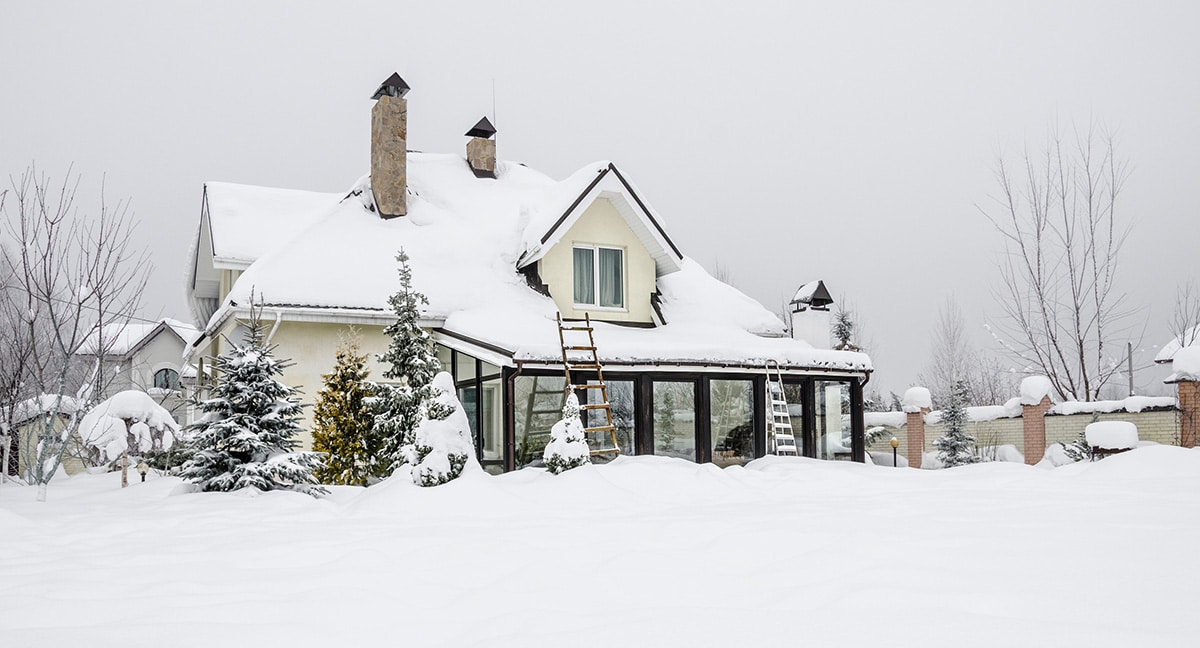
Freezing temperatures put older plumbing systems under serious stress. Pipes without proper insulation can freeze, expand, and burst, often causing extensive flooding in a short amount of time.
Burst pipe cleanup typically involves:
- Emergency water extraction: Removing standing water quickly to limit spread
- Drying walls and flooring: Preventing warping, rot, and mold growth
- Assessing pipe damage: Identifying weak points to prevent future failures
Because burst pipes release large volumes of water, immediate water damage cleanup is critical. The longer water sits, the greater the risk of long-term damage to floors, drywall, and personal belongings.
Poor drainage and foundation issues contribute to recurring water damage
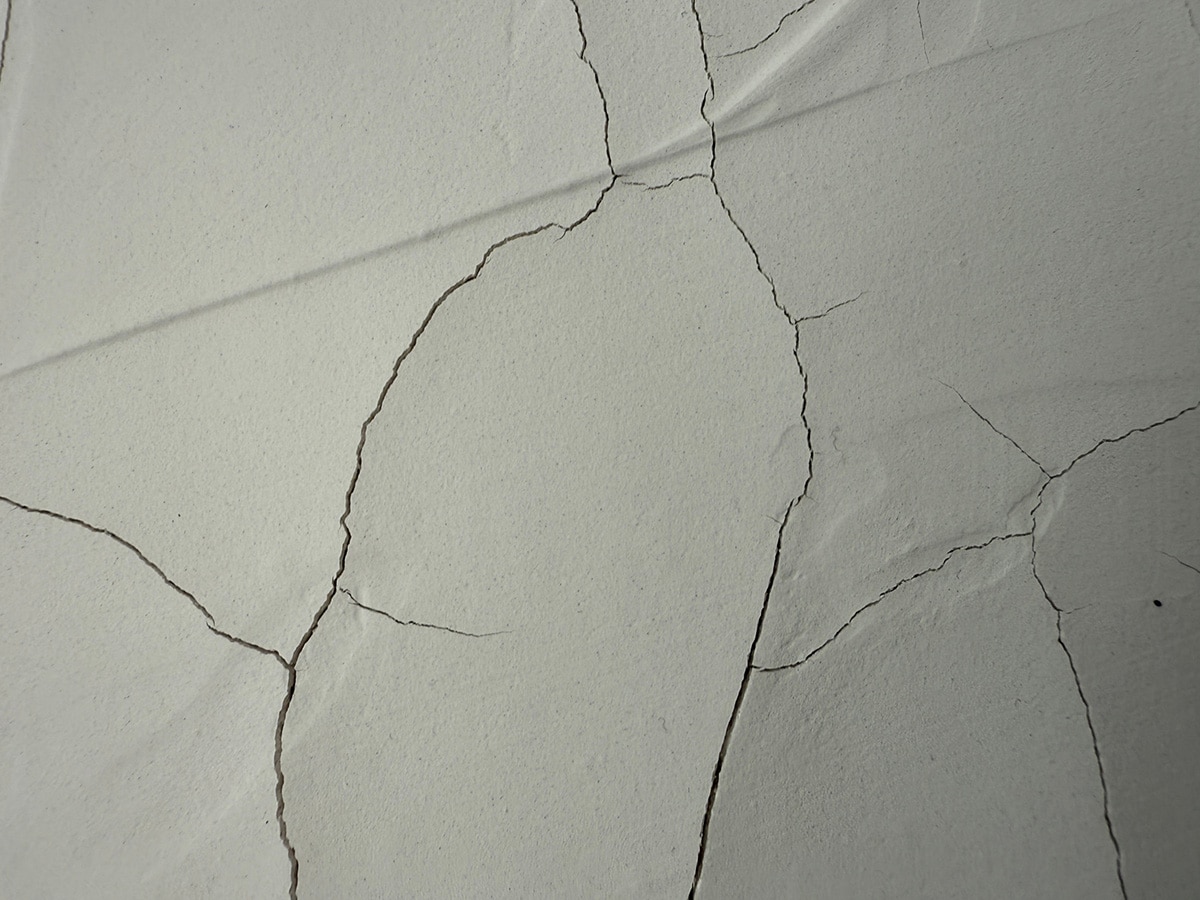
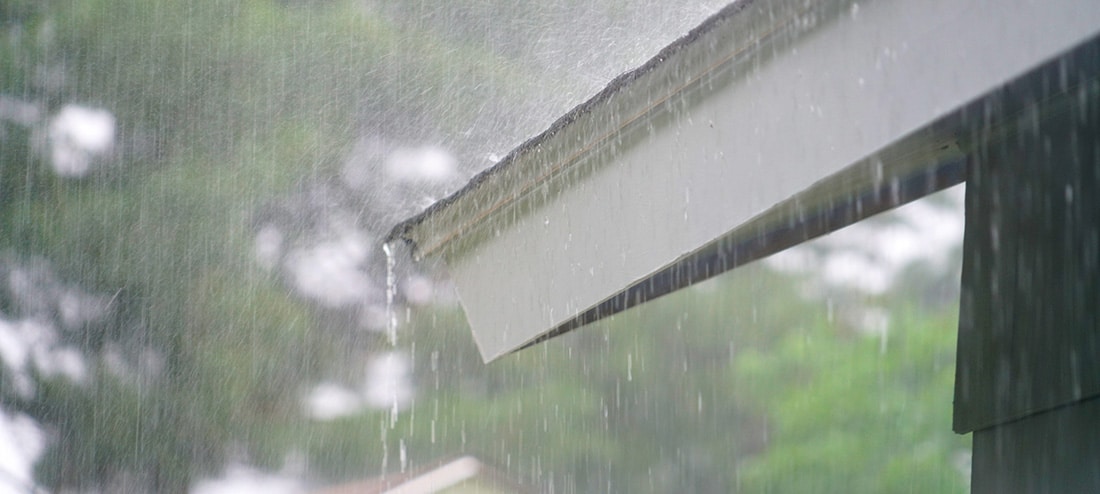
Older homes often lack modern drainage systems, making them more susceptible to water intrusion. Foundation cracks and settling allow water to seep inside during heavy rain or snowmelt.
Common drainage-related problems include:
- Basement seepage after storms
- Water pooling near the foundation
- Cracks in concrete walls or floors
These issues may not seem urgent at first, but repeated moisture exposure weakens structural materials. Water damage prevention strategies, such as sealing cracks and improving drainage, help reduce recurring cleanup needs.
Water damage prevention is essential for protecting older homes
Preventing water damage is often more cost-effective than repeated repairs. Proactive maintenance reduces the likelihood of emergency water extraction and extensive restoration.
Effective water damage prevention steps include:
- Regular plumbing inspections
- Insulating exposed pipes
- Maintaining gutters and downspouts
- Monitoring humidity levels indoors
By addressing vulnerabilities early, you reduce the risk of sudden water damage and protect your home’s long-term value.
Act quickly to protect your home from costly water damage
Water damage in older Boulder homes is common, but it doesn’t have to become overwhelming. Understanding the risks of aging plumbing, burst pipes, and poor drainage helps you take action before damage spreads.
Affordable Water Damage Cleanup provides professional water damage restoration and cleanup services to help you recover quickly and protect your home.



Leave A Comment